
Our story
The National Internet Observatory is funded by a generous grant from the National Science Foundation: NSF Grant: Mid-scale RI-1 (M1:IP): Observatory for Online Human and Platform Behavior
Northeastern News has written several articles explaining why the Observatory is so vital for scientists: "Can we better understand online behavior? These researchers will dig deep to find out" (News@Northeastern, October 2021) and the 59th Annual Robert D. Klein Lecture at Northeastern was led by PI and cybersecurity expert Dr. Christo Wilson.
Contact us
If you have questions about the research project you can contact us directly at help@nationalinternetobservatory.org.
PIs

David Lazer
Northeastern University
View bio
David Lazer is University Distinguished Professor of Political Science and Computer Sciences at Northeastern University. Prior to coming to Northeastern University, he was on the faculty at the Harvard Kennedy School (1998-2009). In 2019, he was elected a fellow to the National Academy of Public Administration. He has published prominent work on online information consumption, democratic deliberation, collective intelligence, computational social science, and algorithmic auditing, across a wide range of prominent journals such as Science, Nature, Proceedings of the National Academy of Science, and the American Political Science Review. His research has received extensive coverage in the media, including the Wall Street Journal, New York Times, NPR, the Washington Post, and CBS Evening News. He is a co-leader of the COVID States Project, one of the leading efforts to understand the social and political dimensions of the pandemic in the United States.
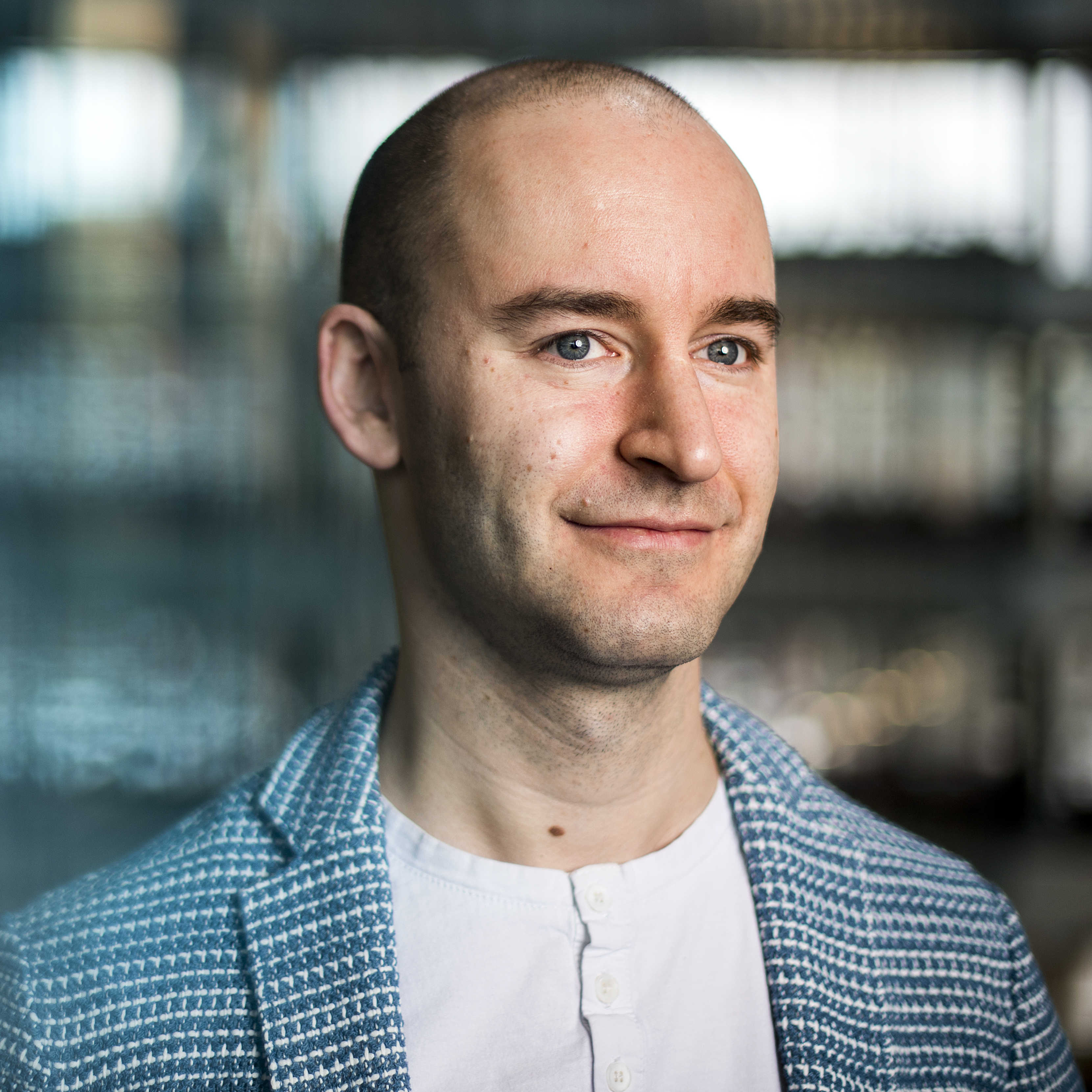
Christo Wilson
Northeastern University
View bio
Christo Wilson is an Associate Professor in the Khoury College of Computer Sciences at Northeastern University. He is a founding member of the Cybersecurity and Privacy Institute at Northeastern, and serves as director of the BS in Cybersecurity program. Professor Wilson's research focuses on online security and privacy, with a specific interest in algorithmic auditing. Algorithmic auditing is an emerging, interdisciplinary area that uses experimental techniques to measure the black-box algorithmic systems that pervade daily life in order to increase transparency and accountability of these systems. His work is supported by the U.S. National Science Foundation, a Sloan Fellowship, the Mozilla Foundation, the Knight Foundation, the Russell Sage Foundation, the Democracy Fund, the Anti Defamation League, the Data Transparency Lab, the European Commission, Google, Pymetrics, and Verisign Labs.
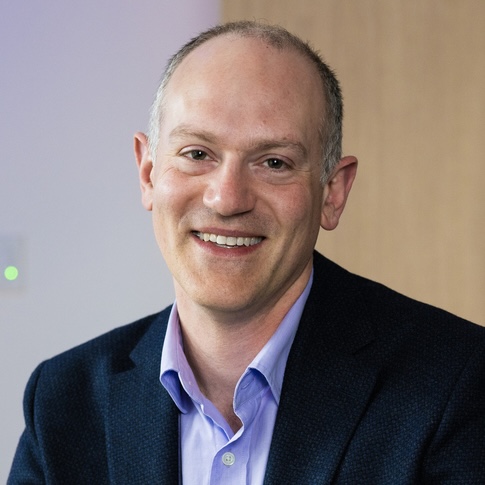
David Choffnes
Northeastern University
View bio
David Choffnes is an associate professor in the Khoury College of Computer Sciences at Northeastern University, and Executive Director of Northeastern’s Cybersecurity and Privacy Institute. He is a recipient of the NSF CAREER award, the ACM/CRA Computing Innovation Fellowship, and the Outstanding Dissertation Award in EECS at Northwestern University. His research has been recognized with best paper awards three times (USENIX Security 2017, NDSS 2018, IMC 2019) and two Applied Networking Research Prizes. His work has been covered by the popular press including the New York Times, ABC’s Good Morning America, CBS News, PBS, NPR, the Boston Globe, NBC News, and Science Magazine, and is supported by the National Science Foundation, Department of Homeland Security, Measurement Lab, Google, Comcast, Verizon, Arcep, and the Data Transparency Lab.
Core Team Members
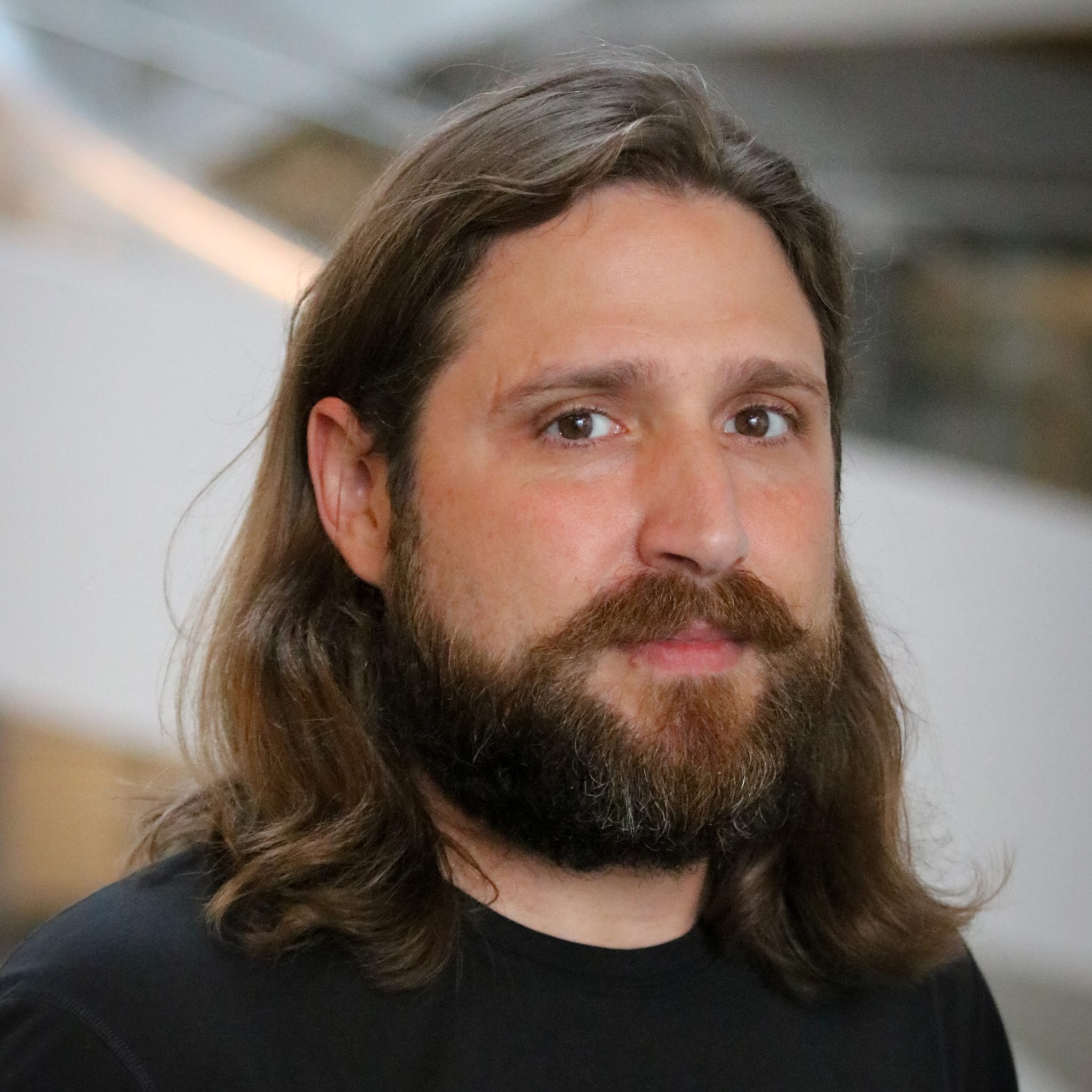
John Basl
Northeastern University, Ethicist
View bio
John Basl is an associate professor in the Department of Philosophy and Religion at Northeastern University and an associate director of the Northeastern Ethics Institute leading the institute’s AI and data ethics initiatives. He is also a faculty affiliate at the Edmond & Lily Safra Center for Ethics and the Berkman Klein Center for Internet and Society, both at Harvard University. He is a moral philosopher working primarily in AI and data ethics. He is a co-author of “Building Data and AI Ethics Committees” (published with Accenture) and “Getting from Commitment to Content in AI and Data Ethics: Justice and Explainability” (published with the Atlantic Council).
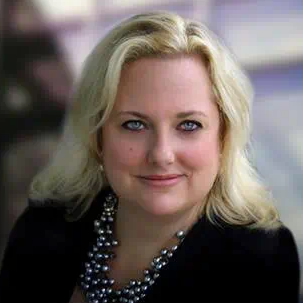
Michelle N. Meyer
Geisinger Health System, Ethicist
View bio
Michelle N. Meyer is an associate professor and chair of the Department of Bioethics and Decision Sciences in the Geisinger College of Health Sciences and Chief Bioethics Officer at Geisinger Health System, where she is also faculty co-director of the Behavioral Insights Team in the Steele Institute for Health Innovation. Her normative and empirical work has been funded by the U.S. NIH, FDA, and NSF and by the Robert Wood Johnson Foundation, Russell Sage Foundation, and Open Philanthropy; published in Science, Nature, PNAS, and the New England Journal of Medicine; and covered by numerous U.S. and international news outlets. She has also published in the New York Times, Slate, Wired, and the L.A. Times and served on an American Psychological Association blue ribbon commission, multiple NASEM study committees, and the editorial board of Advances in Methods and Practices in Psychological Science. She earned her Ph.D. from the University of Virginia and a J.D. from Harvard Law School, where she was an editor of the Harvard Law Review.
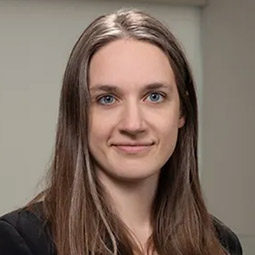
Kristin Lunz Trujillo
Boston College, Surveys Lead
View bio
Kristin Lunz Trujillo is an assistant professor in the Department of Political Science at Boston College. Her research adopts a political psychology framework to explore mass political behavior, particularly as it relates to the urban- rural divide and health-related attitudes. Her work has been funded by the NSF and she has published in academic journals such as Nature Human Behaviour, Scientific Data, JAMA Network Open, Social Science & Medicine, Political Behavior, Public Opinion Quarterly, and Political Geography, among others. Her work has also won several awards and has appeared in various media outlets, including The New York Times, Newsweek, Forbes, FiveThirtyEight, John Oliver’s Last Week Tonight, Time, US News and World Report, and more. Before coming to Boston College, Kristin was an assistant professor at the University of South Carolina. Before that, she was a postdoctoral research fellow at the Harvard Kennedy School’s Shorenstein Center on Media, Politics, and Public Policy, and at the Network Science Institute at Northeastern University. She completed her PhD in Political Science with a minor in political psychology at the University of Minnesota - Twin Cities in 2021.
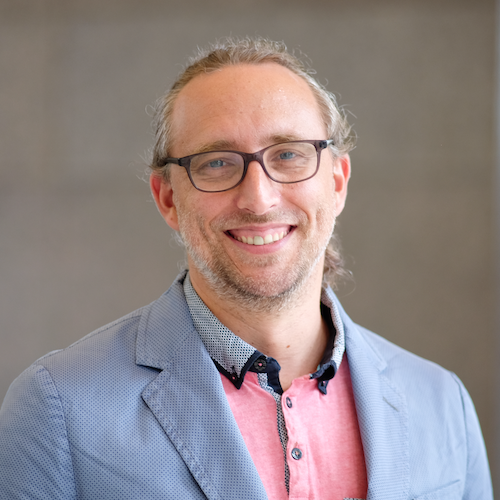
Jason Radford
Northeastern University, Managing Director
View bio
Jason Radford is the Managing Director of the National Internet Observatory and Director of the Social Design Lab. He is a sociologist specializing in putting scientific research into practice through innovation. He co-founded Volunteer Science, an online behavioral lab for scientific researchers.
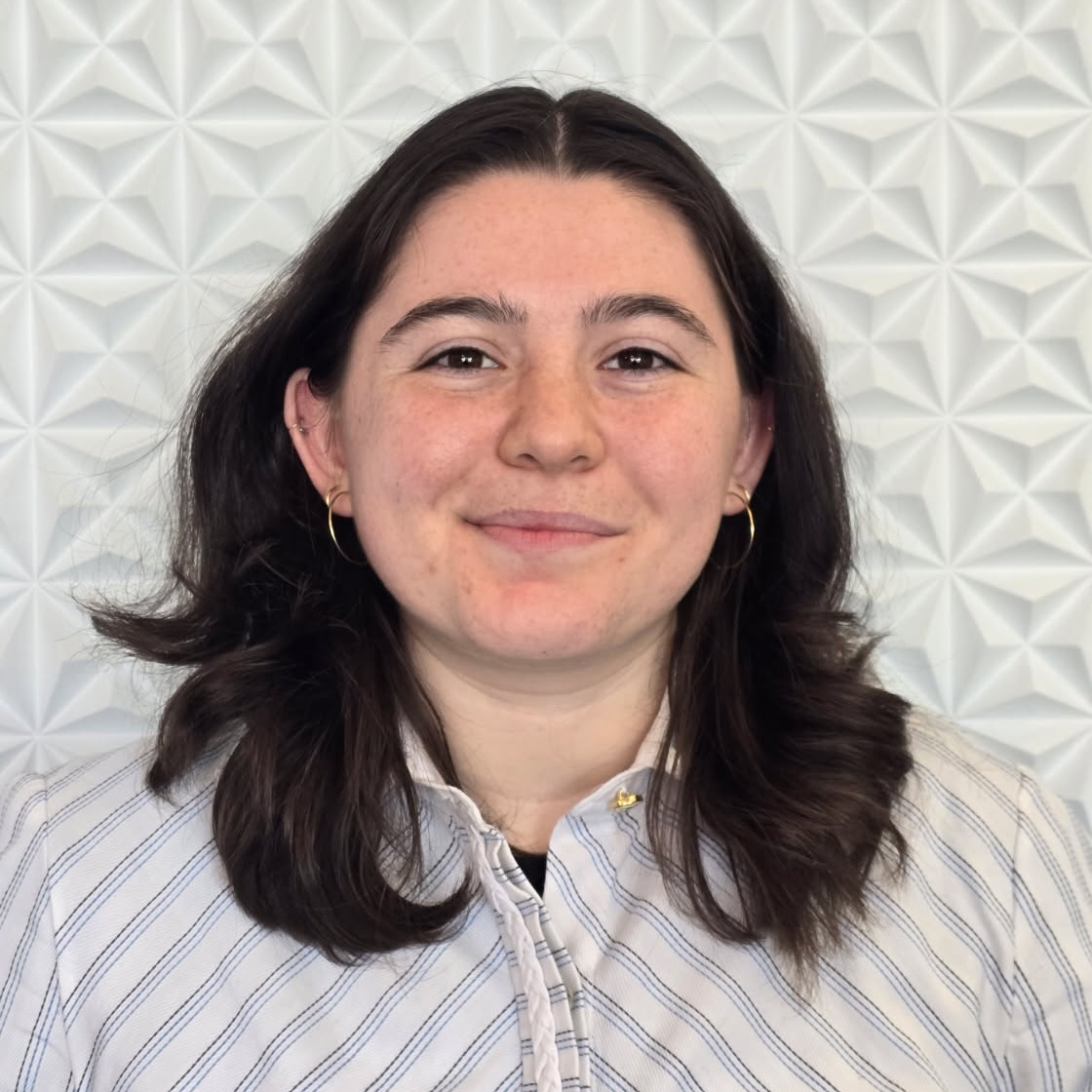
Abby Wisnewski
Northeastern University, iOS Developer
View bio
Abby Wisnewski is an iOS Applications Developer at Northeastern University supporting the National Internet Observatory. She started with the NIO as a Co- Op student and has since returned in a staff level Developer role, showing her commitment to the project. Her focus is on enhancing data collection through low-level networking and iOS system frameworks while also managing feature development and TestFlight deployments.

Jefferson Hoye
Independent Contractor, Backend Developer
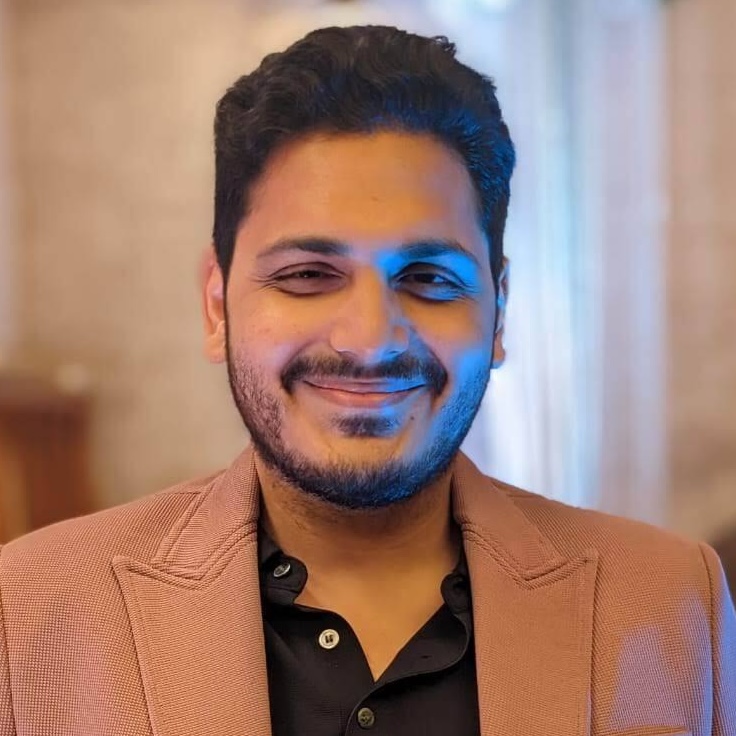
Pranav Goel
Northeastern University, PostDoc
View bio
Dr. Pranav Goel (he/they) is a Postdoctoral Research Associate at the Lazer Lab at Northeastern University’s Network Science Institute. He obtained his PhD in Computer Science from the University of Maryland, College Park. His research interests span computational social science & natural language processing, including text-as-data applications in computational political science, analyzing framing in news and social media, and improving topic model evaluation and their ability to assist practitioners. Currently, he is exploring news consumption patterns across a variety of online platforms, seeking to improve our understanding of the digital local news landscape, and studying the interaction between self-reported survey data and behaviors drawn from observed trace data. His research has been published at top conferences and research venues, including winning the "Outstanding Study Design" award at ICWSM 2023.
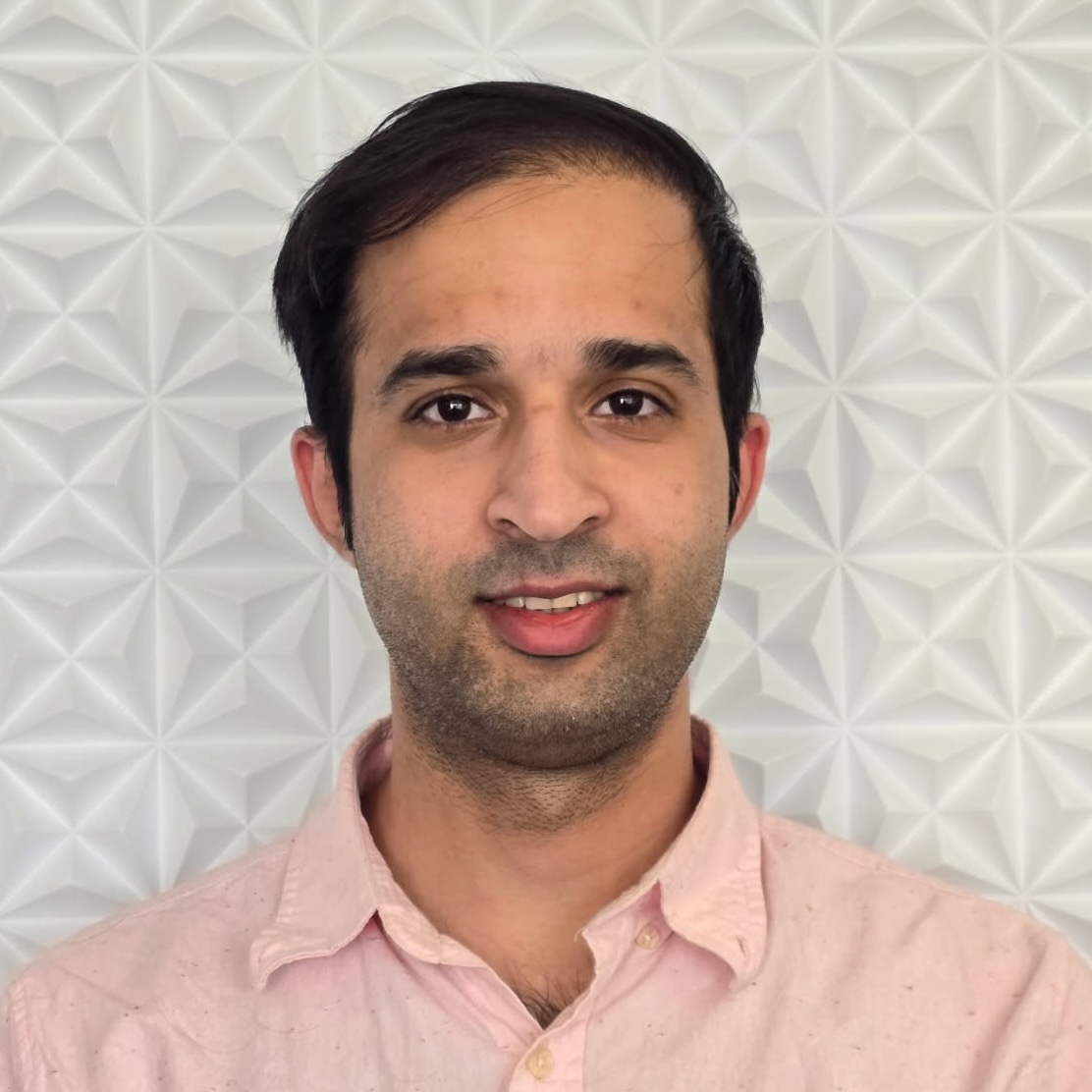
Muhummad Abu Bakar Aziz
Northeastern University, Doctoral Student
View bio
Aziz is a PhD student at Northeastern University collaborating with the National Internet Observatory as a Data Scientist. As a Data Scientist, he is developing privacy-preserving data pipelines using Spark to facilitate the release of datasets for external researchers and internal analysis. Additionally, he is analyzing browsing logs as part of his own research. Previously, Aziz also proposed and developed several new features for the NIO Browser Extension.
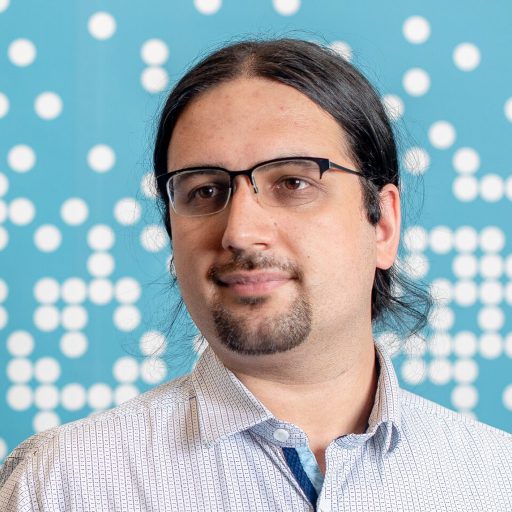
Tariq Sachleben
Northeastern University, Infrastructure Lead
Mike Walston
Independent Contractor, JavaScript Developer
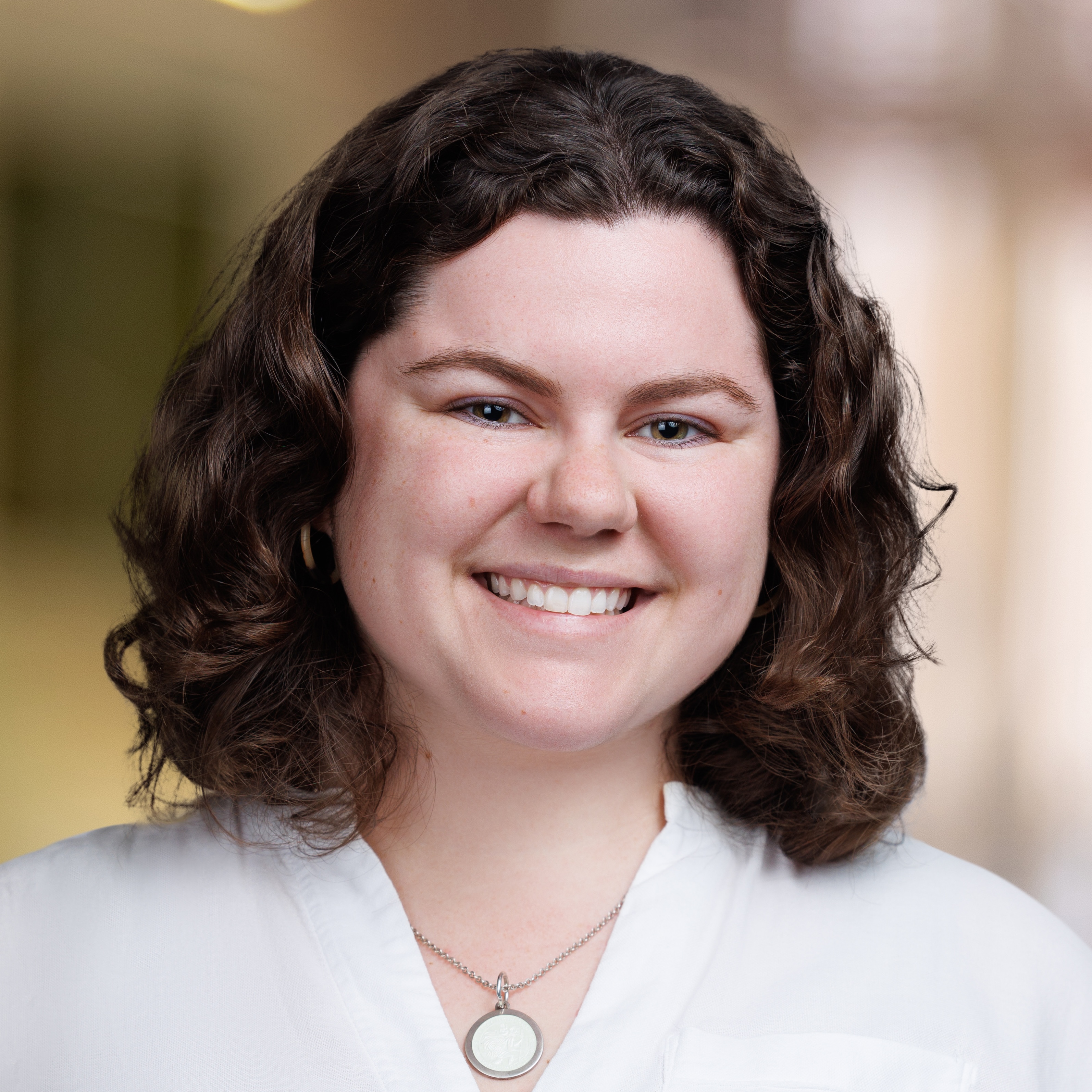
Libby Phillips
Northeastern University, Project Coordinator
View bio
Libby Phillips is a Project Coordinator for both the National Internet Observatory and the Internet Democracy Initiative. She is a graduate of the Trinity College Dublin and Columbia University Dual BA Program. Libby enjoys reading, writing, and exploring the city of Boston.
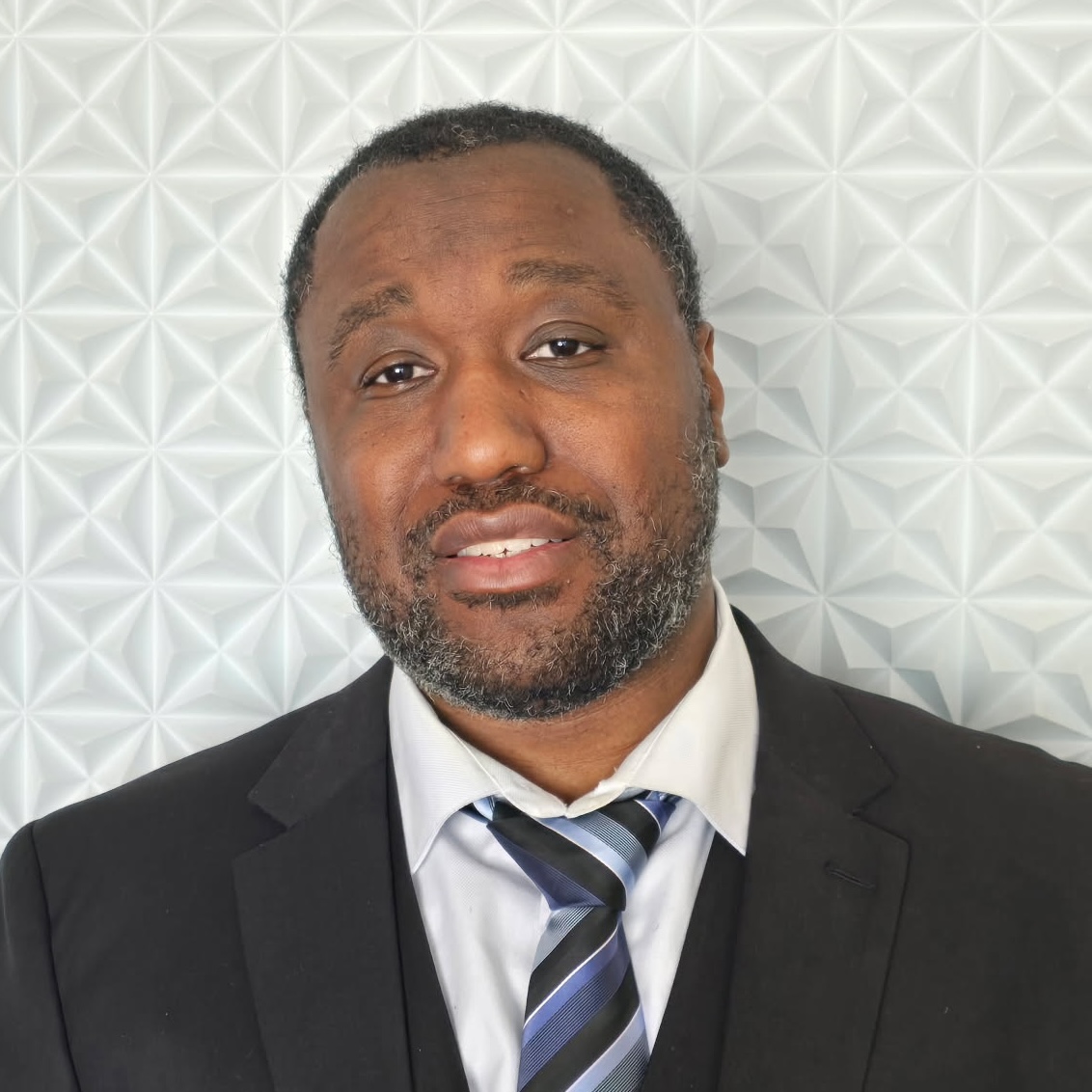
Glenn White
Northeastern University, Android Developer
View bio
Glenn L. White is the lead Android Developer of the NIO project. Prior to his arrival to Northeastern University he has worked with many industry leading Firms such as JPMorgan Chase and Walmart. He has been working in the field of computer science since 2011 and has helped publish a number of applications you see in the Google Play Store. He has a proven track record in app development and optimization. Proficient in Kotlin and Java, adept in UI/UX design, and experienced in collaborating on large-scale projects. Skilled in app stability enhancement, code optimization, and seamless integration of new features.
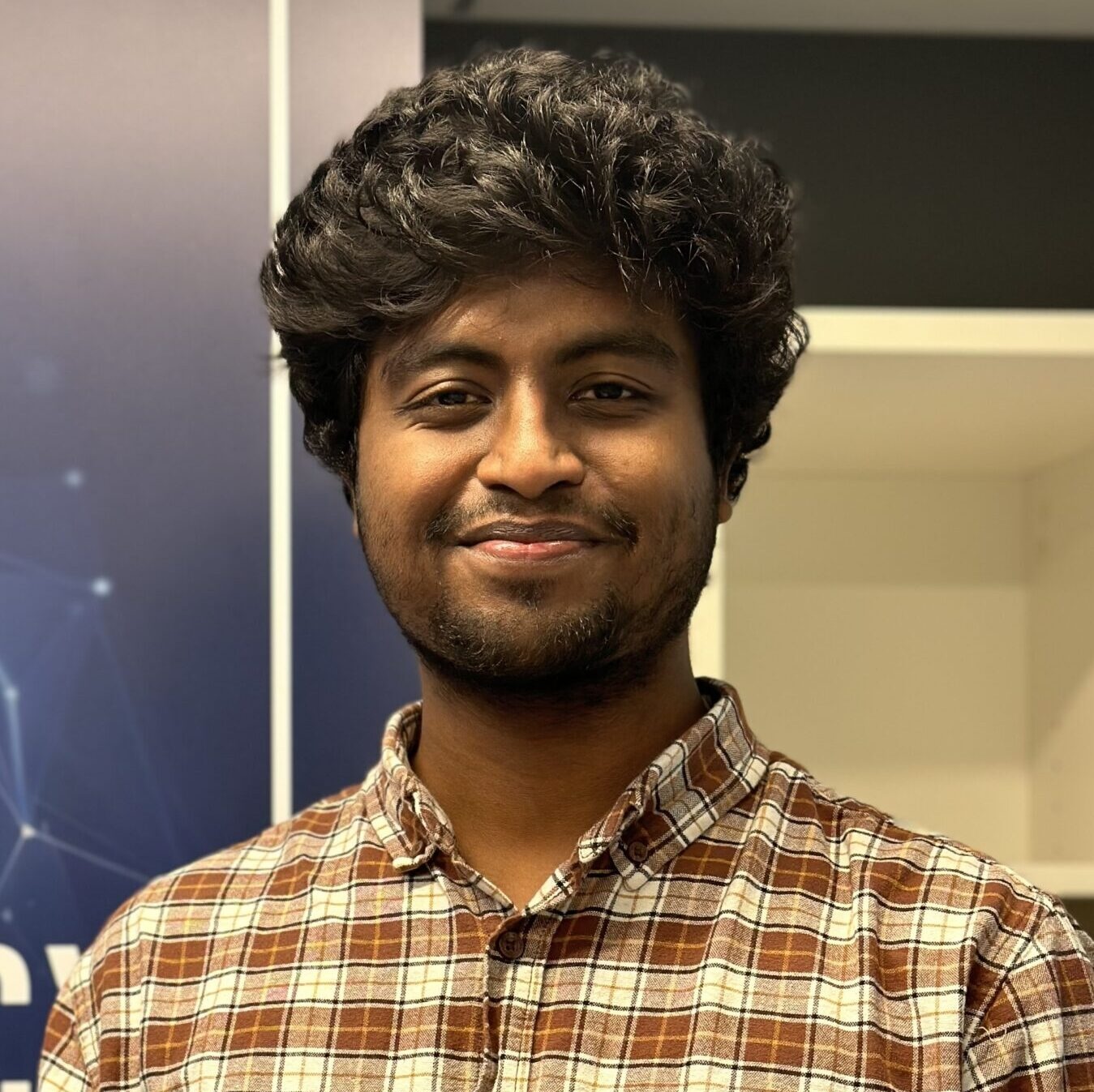
Hemish Veeraboina
Northeastern University, Data Engineer
View bio
Hemish Veeraboina is a Data Engineer at Northeastern University, specializing in scalable data pipelines, ETL orchestration, and big data processing. With expertise in Python, SQL, and distributed systems (Spark Kafka, Hadoop, Dask), he builds efficient and robust data solutions. Currently, he is exploring machine learning, causal inference, and AI-driven data engineering solutions to enhance automation and analytics at scale.
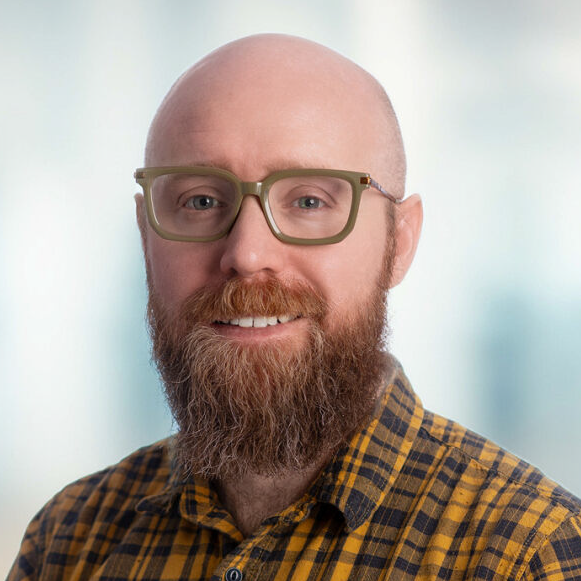
Scott Cambo
Northeastern University, Director - Data Science
View bio
Dr. Scott Allen Cambo has dedicated his career to helping teams research, design, build, and monitor AI systems that are safe to use, responsibly developed, and trustworthy. After graduating with a PhD in Technology and Social Behavior from Northwestern University, Dr. Cambo has led the technical and product development for expert-centered interactive machine learning systems (Avalanche Insights, now Fathom.AI) as well as the development of algorithm auditing processes and AI governance tools (Parity.AI, now Vera.AI). Scott also brings a breadth of leadership experience to the team having had multiple management and leadership roles as the Head of Human-Centered Data Science for Vera.AI, General Manager for the Responsible AI Collaborative, and Chief of Trustworthy AI for Redmane Technologies.
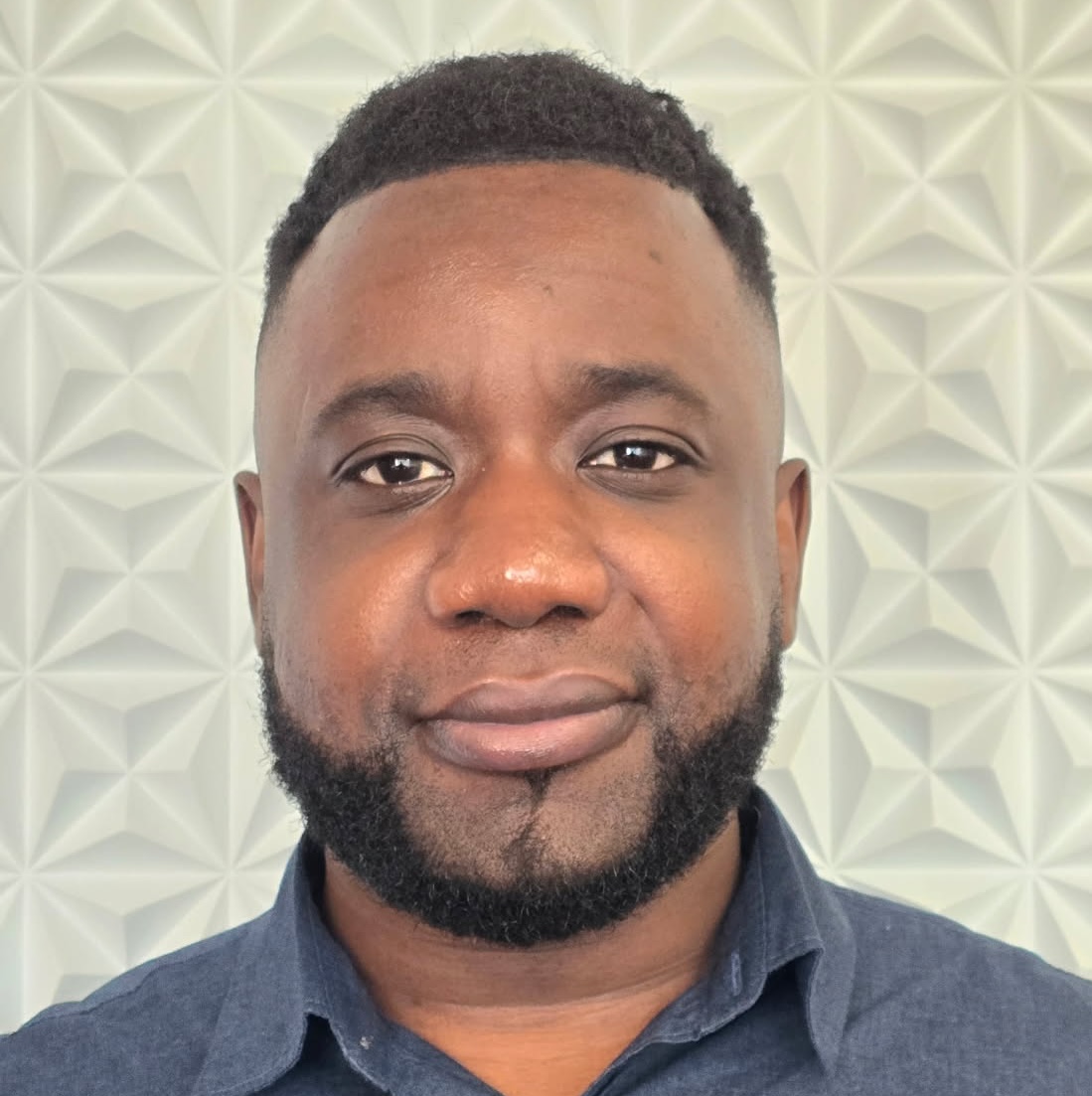
AJ Ilentamhen
Northeastern University, Data Engineer
View bio
AJ Ilentamhen was raised in Boston, MA, and the Boston area, as well as Brockton, MA. After attending high school in Dorchester, MA, he went on to study Computer Science with a focus in Software Engineering at Pennsylvania State University. Beginning his IT career in Software Engineering and transitioning to Data Science/Data Engineering, he is also a published kid’s author, sports lover, lover of film and screenwriting, enjoys board games and historical documentaries, and is overall interested in and passionate about learning.
Sheela Hansda
Northeastern University, Assoc. Data Scientist
View bio
Sheela Hansda is a Data Science Engineer Co-op at NIO and a Master’s student in Data Analytics Engineering at Northeastern University. Before her graduate studies, she worked as a Data Warehouse Developer and Architect in consulting firms, gaining experience in data modeling, ETL processes, and database optimization. She has a keen interest in exploring advanced analytics, machine learning, and big data technologies to solve real-world problems. Outside of work, she enjoys trekking, cooking, traveling, and painting.
Sybil Sun
Northeastern University, Assoc. Data Scientist
View bio
Sibyl is a data scientist/data engineer at The National Internet Observatory, specializing in statistical analysis and machine learning. With a background in statistics and data science, she has worked on cloud computing platforms to build scalable data pipelines and leverage MLflow for machine learning model management, enabling data-driven decision-making. Outside of work, Sibyl is a mom of two dogs and loves outdoor activities such as hiking and tennis.
Matt Challes
Northeastern University, Infrastructure Engineer
Elizabeth Blume
Northeastern University, Project Manager
Science Advisory Board
Aruna Balasubramanian
Stony Brook University
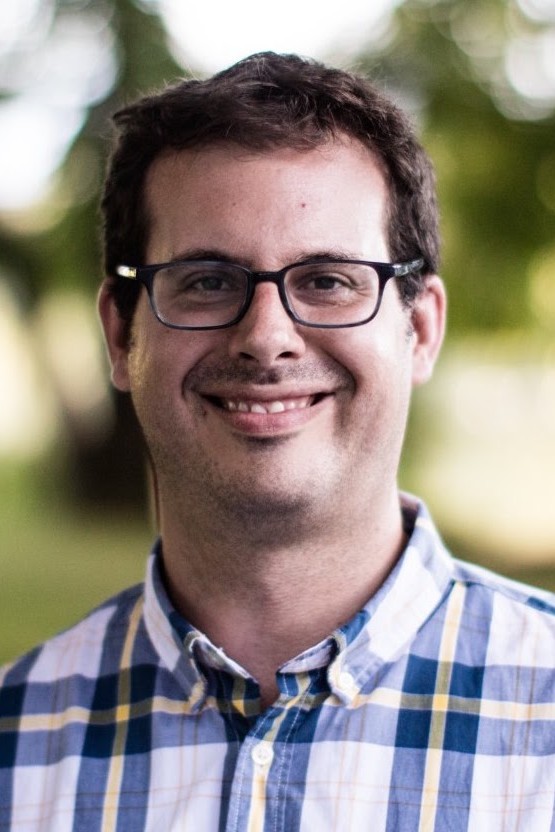
Nick Diakopoulos
Northwestern University
View bio
Nicholas “Nick” Diakopoulos is a Professor in Communication Studies and Computer Science (by courtesy) at Northwestern University where he is Director of the Computational Journalism Lab (CJL). Diakopoulos' research is broadly oriented around topics related to Computational Journalism with active research projects on (generative) AI, automation, and algorithms in news production and distribution. He also pursues research in the area of AI, Ethics, & Society with projects related to algorithmic accountability, transparency, and impact. He is the author of the award-winning book Automating the News: How Algorithms are Rewriting the Media from Harvard University Press.
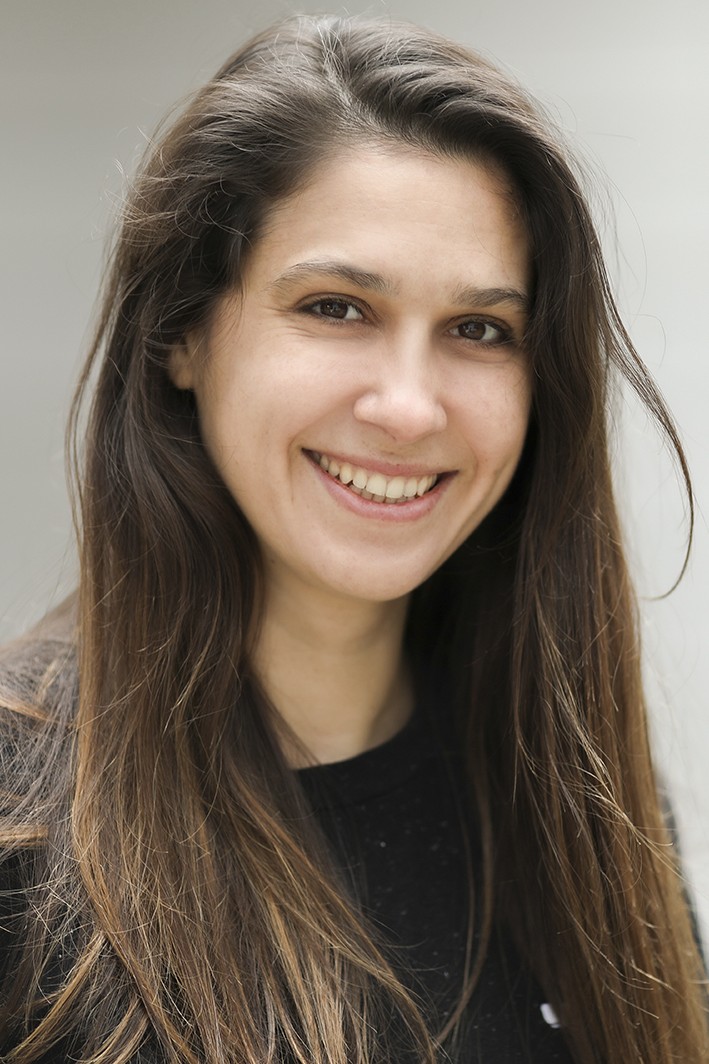
Oana Goga
Institut National de Recherche en Sciences et Technologies du Numérique
View bio
Oana Goga is a Research Director at Inria (French Institute for Research in Computer Science and Automation) and a member of the Inria CEDAR team and the Laboratoire d’Informatique d’Ecole Polytechnique (LIX). She investigates risks for humans and society brought by online platforms and their deployments of AI, such as advertising technologies. She looks at risks ranging from privacy to disinformation and manipulation to child protection. Her research is interdisciplinary, and she works with economists, social scientists, and legal scholars. Her work has influenced European law, and she has served as an external expert for the European Commission on problems related to data access in the Digital Services Act (DSA). She received the CNRS Bronze Medal in 2024, the Lovelace-Babbage Award from the French Science Academy and the French Computer Society in 2023, and she received an ERC Starting Grant in 2022 that aims to measure and mitigate the impact of AI-driven information targeting. Her recent research received several awards, including the Andreas Pfitzmann Best Student Paper Award at PETS 2024, the Honorable Mention Award at The Web Conference in 2020, and the CNIL-Inria Award for Privacy Protection 2020.
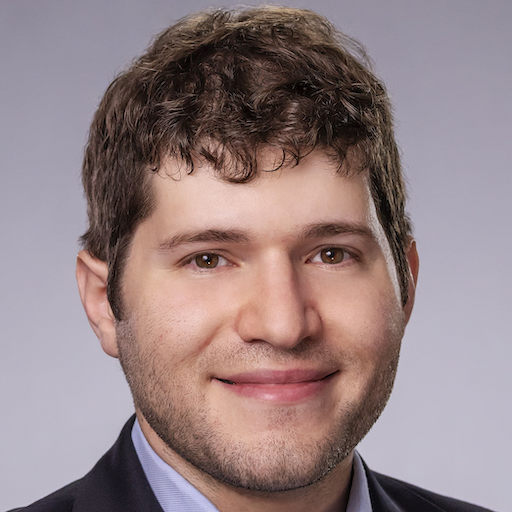
Jonathan Mayer
Princeton University
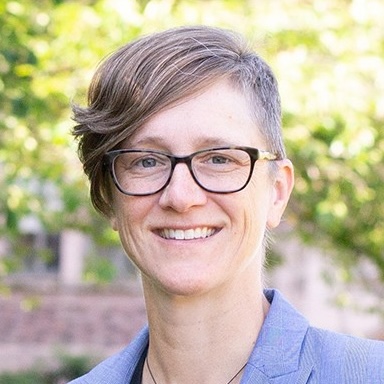
Kate Starbird
Unversity of Washington
View bio
Kate Starbird is a Professor at the Department of Human Centered Design & Engineering (HCDE) at the University of Washington (UW). Dr. Starbird’s research sits at the intersection of human-computer interaction and the emerging field of crisis informatics — i.e. the study of the how social media and other information-communication technologies are used during crisis events. Currently, her work focuses on the production and spread of online rumors, misinformation, and disinformation during crises — including natural disasters, political disruptions, and a global pandemic. In particular, she investigates the participatory nature of online disinformation campaigns, exploring both top-down and bottom-up dynamics. Dr. Starbird received her BS in Computer Science from Stanford (1997) and her PhD in Technology, Media and Society from the University of Colorado (2012). In 2019, she co-founded the UW Center for an Informed Public.
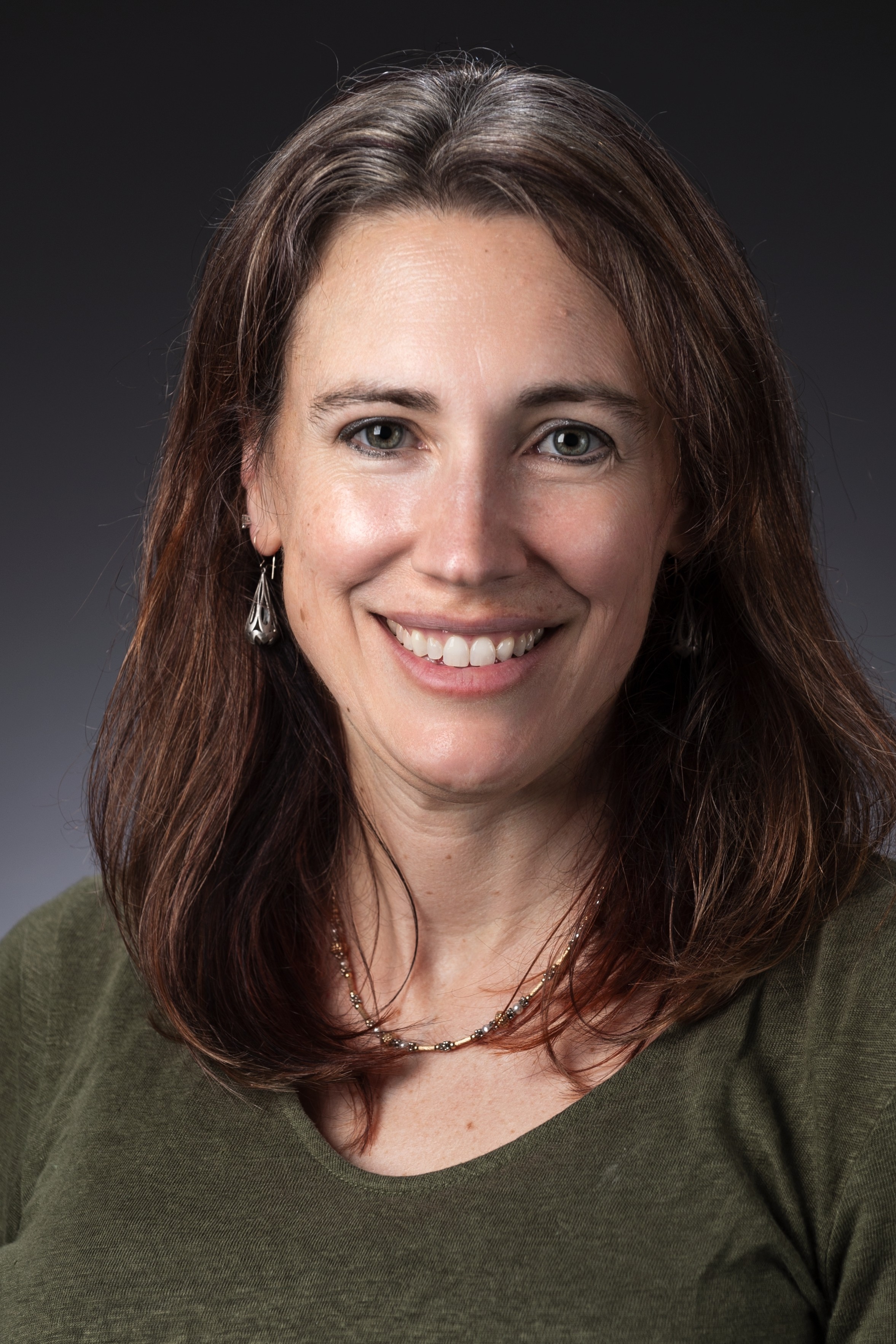
Elizabeth Belding
University of California, Sata Barbara

Duncan Watts
University of Pennsylvania
Ethics Advisory Board
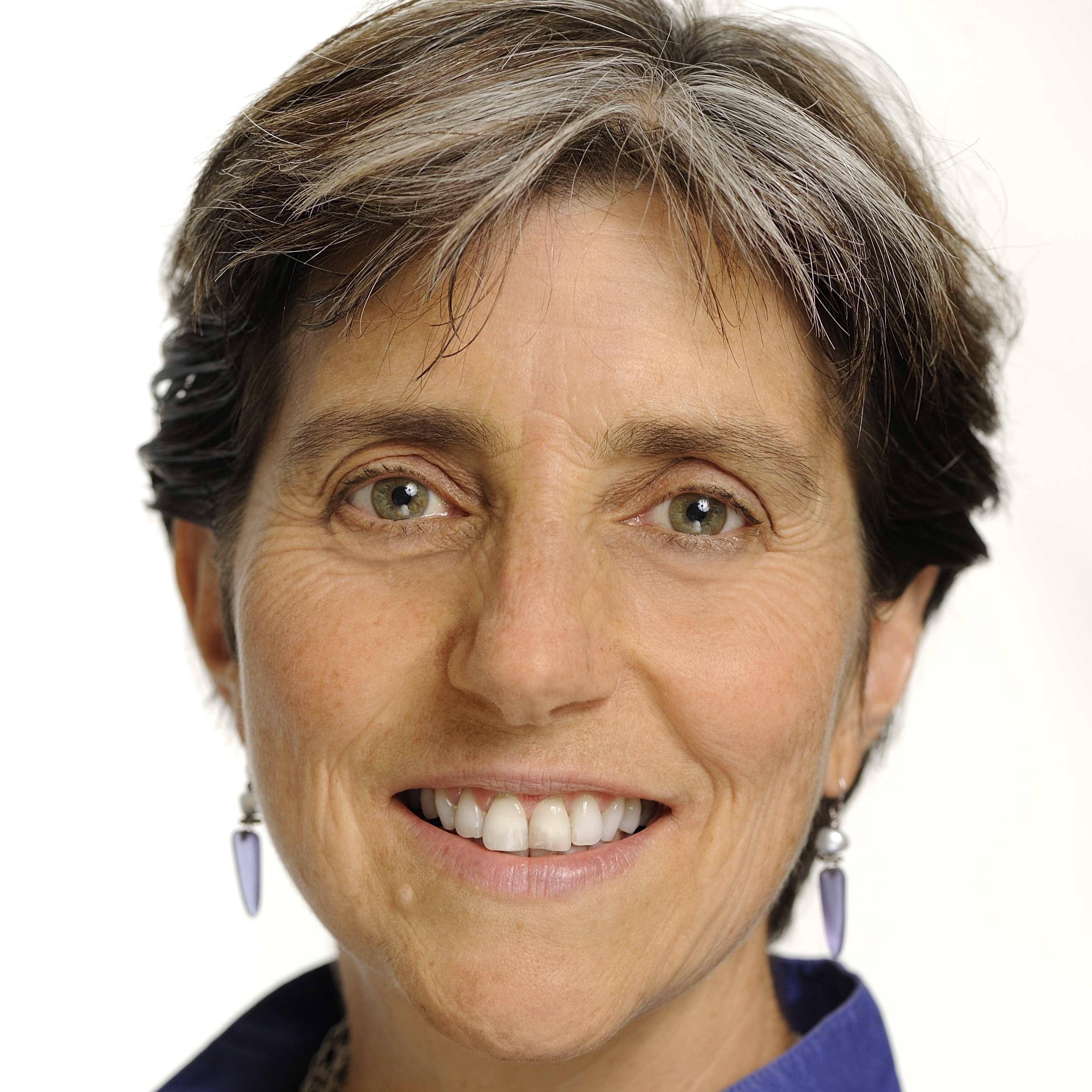
Nancy Kass
Johns Hopkins University
View bio
Nancy Kass, ScD, is the Phoebe R. Berman Professor of Bioethics and Public Health at Johns Hopkins, where she is also both the Deputy Director for Public Health in the Berman Institute of Bioethics and Professor of Health Policy and Management in the Johns Hopkins Bloomberg School of Public Health.
Dr. Kass conducts empirical work in bioethics and health policy. Her publications are primarily in the field of U.S. and global research ethics, public health ethics, infectious diseases and ethics policy, and ethics and the learning healthcare system. From June 2023-June 2024 she served as Ethics Advisor, Office of the Commissioner, at the Food and Drug Administration through an Intergovernmental Personnel Act (IPA) arrangement. From 2017-2023 Dr. Kass served as Vice-Provost for Graduate Education for Johns Hopkins University. In 2009-2010, Dr. Kass was based in Geneva, Switzerland, working with the World Health Organization (WHO) Ethics Review Committee Secretariat. Dr. Kass is an elected member of the National Academy of Medicine and an elected fellow of the Hastings Center.
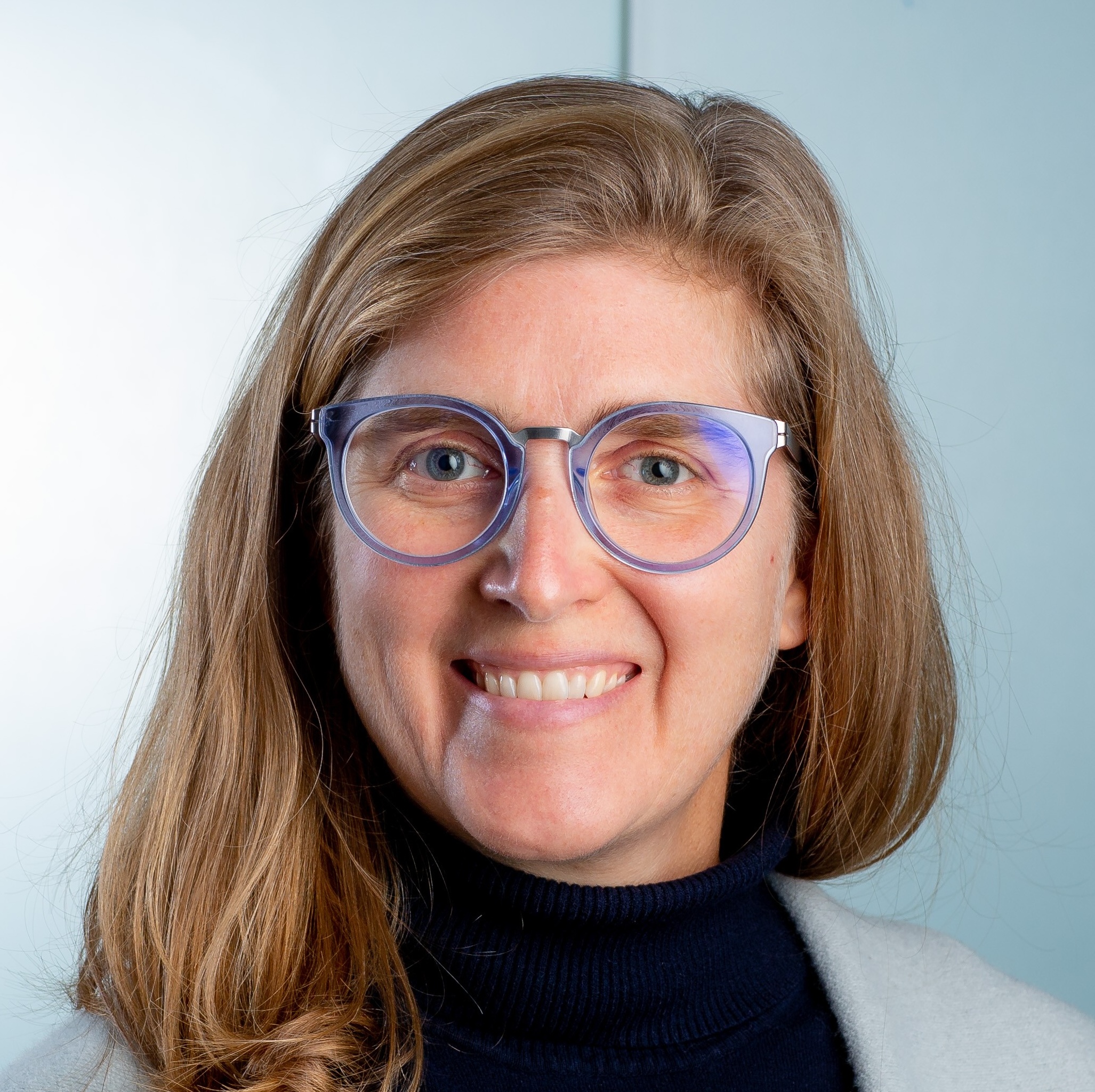
Meg Doerr
Sage Bionetworks
View bio
Megan “Meg” Doerr, MS, LGC is Director of Applied ELSI Research at Sage Bionetworks, where she works on operationalizing and evaluating community interests in big data research. She focuses on scaling participant-centric approaches to inform and hone repository-enabled research, addressing the ethical, legal, and social implications of informed consent, research participation, data governance, and data sharing. Consistent with Sage Bionetworks’ mission as a non-profit open science organization, Ms. Doerr takes an open approach to developing knowledge and best practices and sharing insights, tools, and approaches as rapidly and as broadly as possible. She advocates for innovative, data-driven, and human-centered approaches to open science, contributing to multinational initiatives such as the Global Alliance for Genomics and Health. Ms. Doerr is a licensed genetic counselor who previously practiced at the Cleveland Clinic.
Patricia Williams
Northeastern University
Alan Rubel
University of Wisconsin
Jasmine McNealy
University of Florida
View bio
Jasmine McNealy (JD, PhD) is an attorney, critical public interest technologist, and social scientist who studies emerging media & technology with a view toward influencing law and policy. Her research emphasizes technological ecosystems, privacy, surveillance, and data governance. She is a Policy Fellow with the Public Interest Technology University Network (PIT-UN), and a professor at the University of Florida where she directs ICED Labs. She is also Faculty Associate at the Berkman Klein Center for Internet & Society at Harvard University.
Survey Advisory Board
Jamie Druckman
University of Rochester
View bio
James “Jamie” Druckman is the Martin Brewer Anderson Professor of Political Science at the University of Rochester. He previously was the Payson S. Wild Professor and a Faculty Fellow at the Institute for Policy Research at Northwestern University. He is also an Honorary Professor of Political Science at Aarhus University in Denmark. Druckman has published approximately 200 articles and book chapters in political science, communication, economics, science, and psychology journals. He has authored, co-authored, or co-edited seven books. His recent books include Partisan Hostility and American Democracy: Explaining Political Divides (University of Chicago Press, 2024), Equality Unfulfilled: How Title IX’s Policy Design Undermines Change to College Sports (Cambridge University Press, 2023), and Experimental Thinking: A Primer on Social Science Experiments (Cambridge University Press, 2022).
He has served as editor of the journals Political Psychology and Public Opinion Quarterly as well as the University of Chicago Press series in American Politics. He currently is the co-Principal Investigator of Time-Sharing Experiments for the Social Sciences (TESS), the editor of the Cambridge Elements Series on Experimental Political Science, and a co-Principal Investigator of the Civic Health and Institutions (CHIP50) Project. He sits on the Board of Trustees for the Russell Sage Foundation, the American National Election Studies Board of Advisors, and the General Social Survey Board.
Druckman has received grant support from such entities as the National Science Foundation, the McKnight Foundation, the Russell Sage Foundation, and Phi Beta Kappa. He is an elected member of the American Academy of Arts and Sciences, and the recipient of a John Simon Guggenheim Memorial Foundation Fellowship.
Jonathan Nagler
New York University
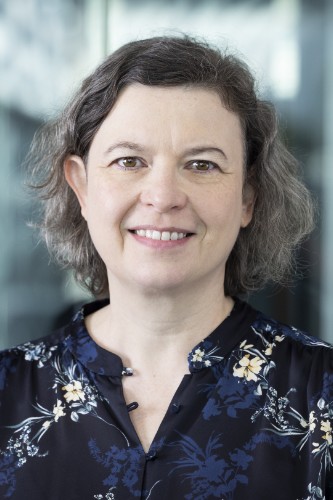
Eszter Hargittai
Universität Zürich
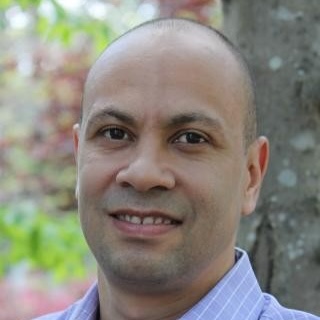
Ismail White
Princeton University
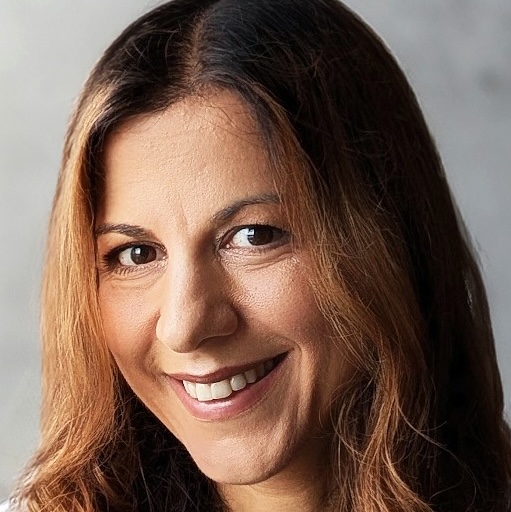
Katya Ognyanova
Rutgers University
View bio
Katherine “Katya” Ognyanova is an associate professor at the School of Communication & Information, Rutgers University. Her research examines the effects of social influence on civic and political behavior, confidence in institutions, information evaluation, and public opinion formation.
Ognyanova’s methodological expertise is in computational social science, network science, and survey research. She is the director of the Rutgers Computational Social Science Lab. Her recent work examines the association of misinformation exposure with trust in science, media, and politics. She is also investigating public perceptions and trust in AI.
Katherine Ognyanova is one of the founders and a principal investigator for the COVID States Project and the Civic Health and Institutions Project, two large multi-university initiatives exploring public attitudes to politics and health.
Alumni and Historical Postdocs
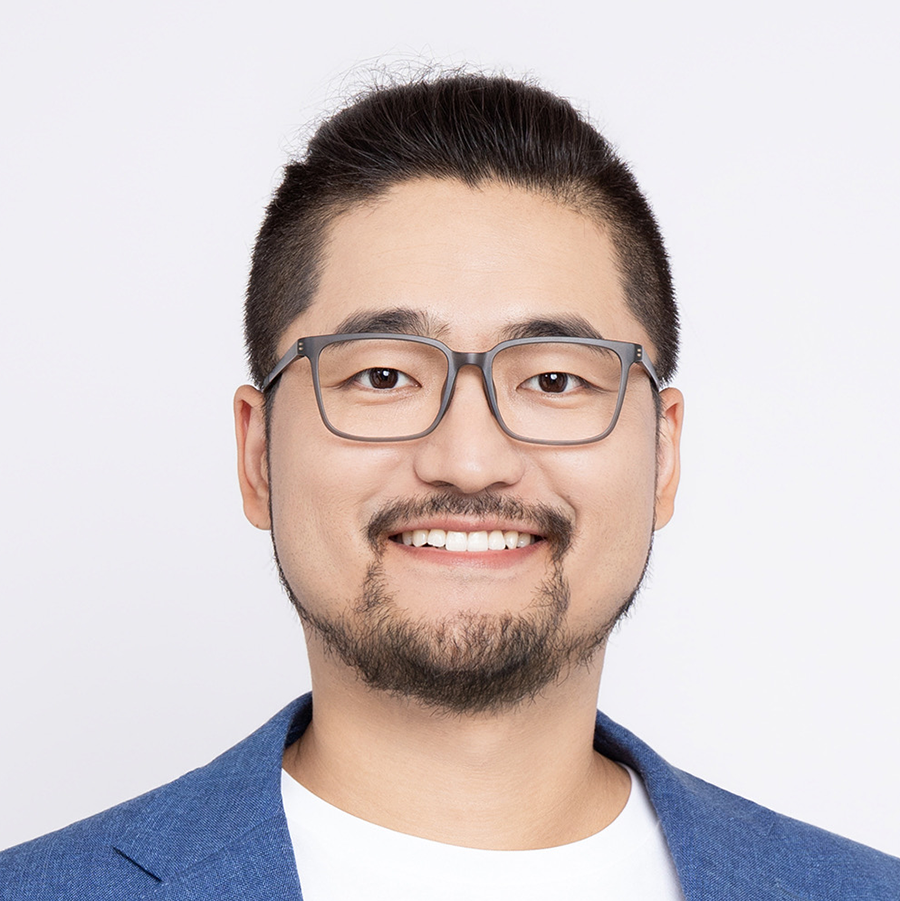
Kaicheng Yang
Northeastern University, PostDoc
Now at: Binghamton University
Aditya Boddepali
Northeastern University, Infrastructure Co-Op
Now at: Optum UHG